
Akita for Sale in the Philippines
0 listings nationwide
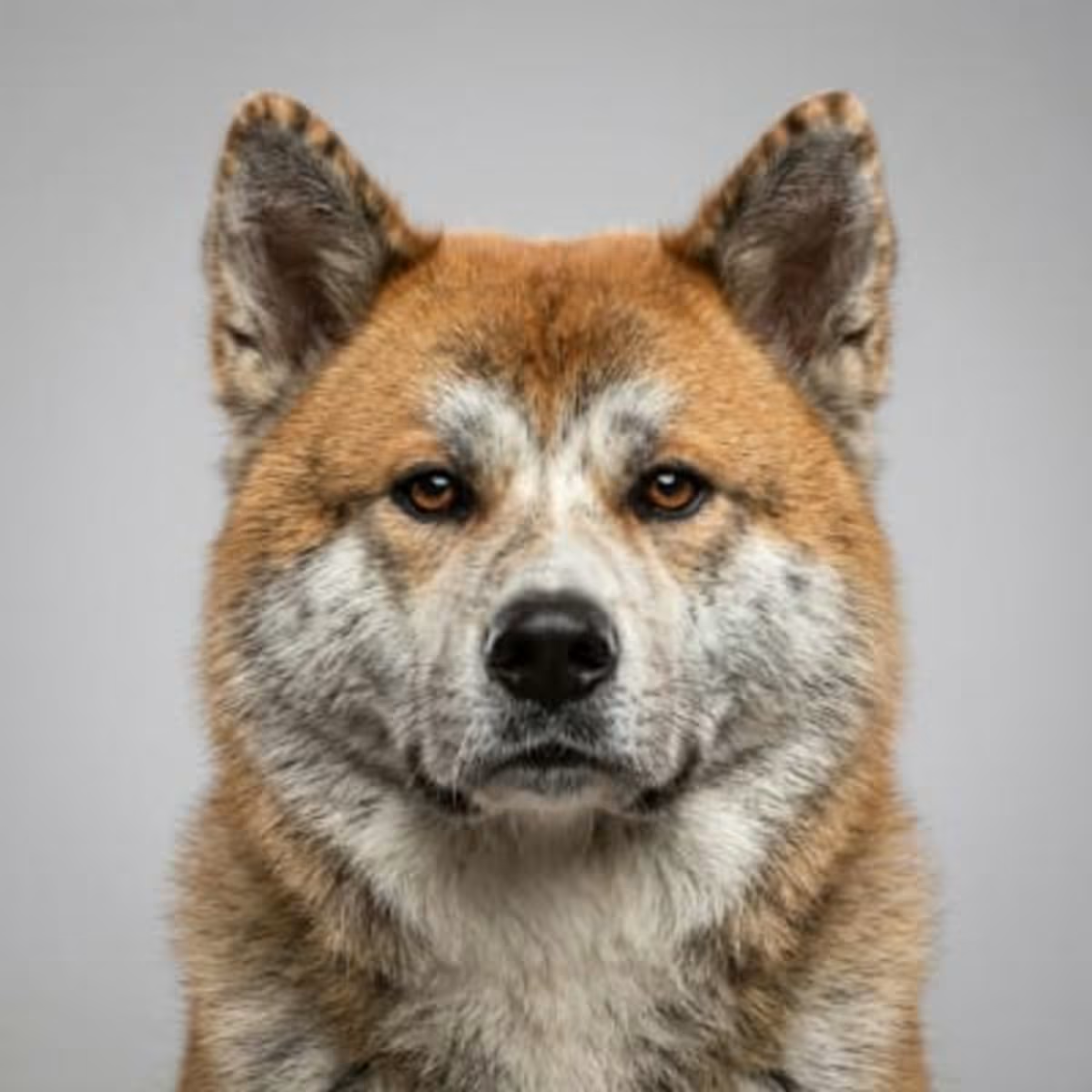
Akita
Large · 70–130 lbs
Originating in the Akita Prefecture of Japan, this breed has been designated a national monument of Japan since 1931. The most famous Akita in history is Hachiko, who waited loyally at a Tokyo train station every day for nearly 10 years after his owner's death — a story that became a worldwide symbol of loyalty.
The Akita is a powerfully built, deeply loyal working dog that bonds intensely with its family but remains reserved — even suspicious — around strangers and other dogs. With a stubbornness score of 80/100, very low friendliness toward outsiders (40/100), and heavy shedding (80/100), this breed demands an experienced, confident handler and a single-dog home.
Traits
Care
Popular on Dog Engine
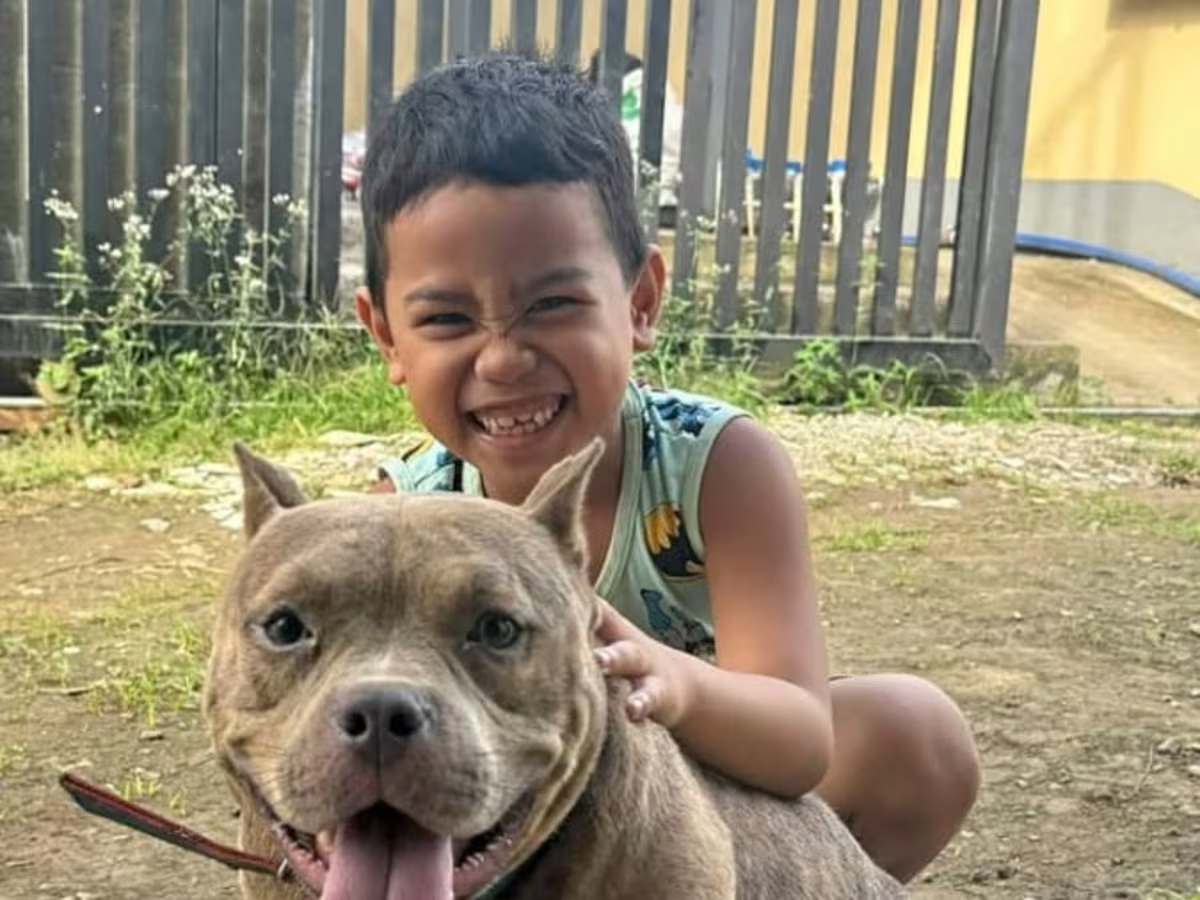

Other Dogs You Might Like

Akita Buyer's Guide
Common questions answered before you buy
No — the Akita is best suited to experienced owners. Their trainability scores 40/100 and stubbornness hits 80/100, making them one of the more challenging breeds to handle. They're intelligent, but on their own terms. Without firm, experienced handling from the start, they will run the household. First-time owners often find them frustrating and overwhelming.
The Akita needs around 60 minutes of active exercise daily. This means actual exercise — not just a short bathroom walk. A mix of leashed walks, off-leash time, and play sessions keeps them mentally and physically balanced. Their energy level of 60/100 means they won't tire from light activity alone.
Yes — heavily. The Akita is a year-round heavy shedder. Expect dog hair on furniture, clothing, and floors constantly. Daily brushing and a good vacuum are non-negotiable. Grooming effort for this breed is moderate. The Akita needs brushing several times a week and occasional professional grooming every few months.
With the right socialisation, yes — but with some caution. The Akita has a friendliness score of 40/100, meaning they're selective and may not naturally gravitate toward children or strangers. They are specifically noted as good with children and families. Proper exposure from puppyhood and supervised interactions are important.
The most frequently reported health concerns in the Akita include Hip dysplasia, Hypothyroidism and Autoimmune conditions. Before buying, ask breeders for health clearances on the parents — reputable breeders will have OFA (hips/elbows) or equivalent certifications on file. Budget for annual vet visits and consider pet health insurance from puppyhood.
The Akita is not the best apartment dog. While their energy level is manageable, they tend to do better with more space to roam and a yard to explore. They can adapt with very consistent outdoor exercise, but owners in small spaces need to be extra committed to daily activity.
Not reliably. The Akita has a strong prey drive (75/100), meaning a squirrel, cat, or interesting smell can override even solid recall training in an instant. Off-leash time is best reserved for fully enclosed areas. This is not a trainability failure — it's a hardwired instinct that even experienced trainers respect.