
Basenji for Sale in the Philippines
0 listings nationwide
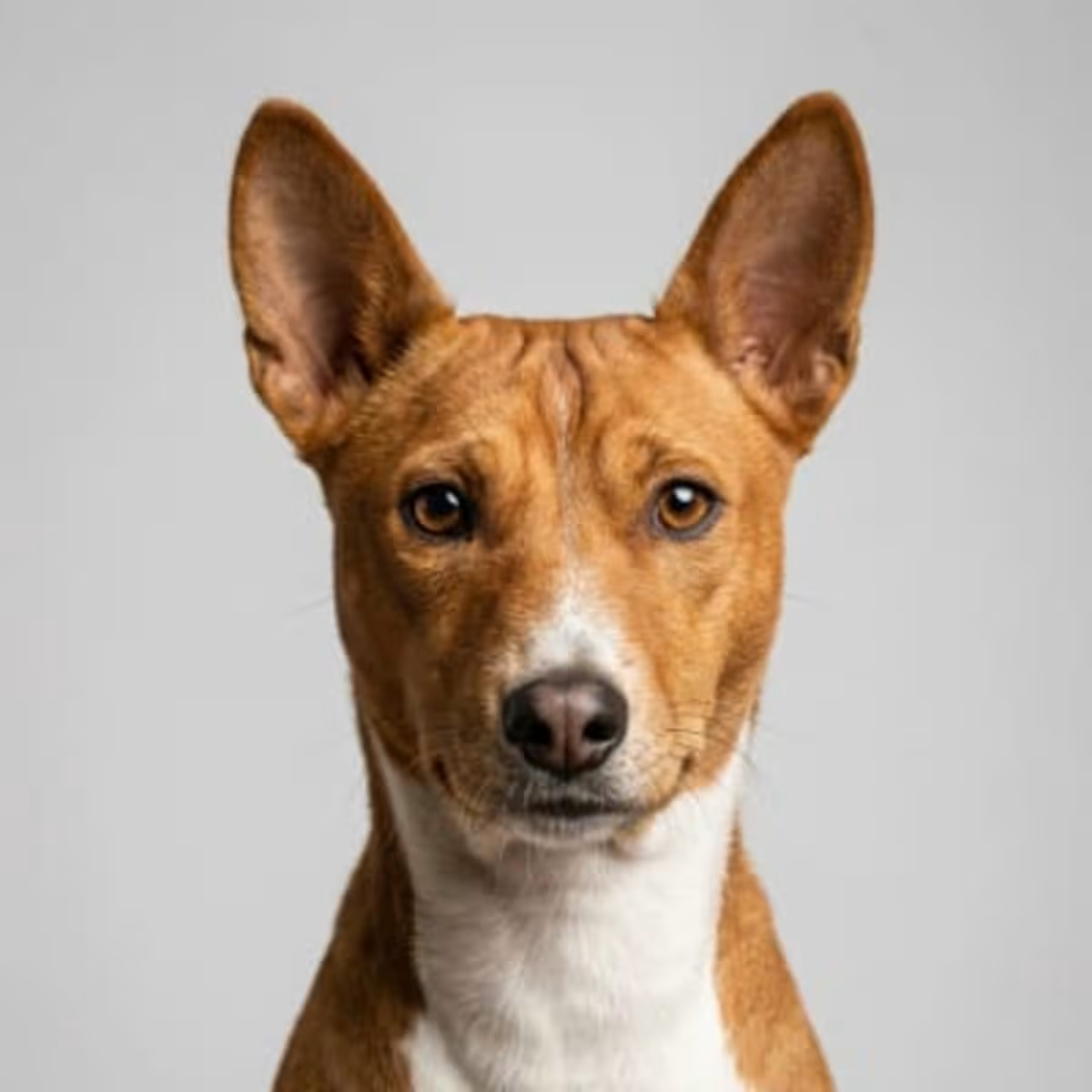
Basenji
Small · 22–24 lbs
The Basenji is one of the oldest dog breeds in the world, appearing in ancient Egyptian artifacts and considered a prized hunting dog by Central African tribes for thousands of years. Unlike almost all other breeds, the Basenji produces a unique yodeling sound instead of a bark and comes into heat only once per year — like its wolf ancestors — making it biologically distinct from most modern dogs.
The Basenji is the world’s barkless dog — a cat-like, independent hound that yodels instead of barks and requires minimal grooming (15/100) thanks to its low-shedding coat. Beneath the quiet exterior is an extremely stubborn (85/100), strong-willed dog with a high prey drive (80/100) — best suited to experienced owners without small pets.
Traits
Care
Popular on Dog Engine
Other Dogs You Might Like
Basenji Buyer's Guide
Common questions answered before you buy
No — the Basenji is best suited to experienced owners. Their trainability scores 35/100 and stubbornness hits 85/100, making them one of the more challenging breeds to handle. They're intelligent, but on their own terms. Without firm, experienced handling from the start, they will run the household. First-time owners often find them frustrating and overwhelming.
The Basenji is a moderate-energy breed that needs about 45 minutes of moderate exercise daily to stay healthy and calm indoors. They're not couch dogs, but they're also not marathon runners — a good walk and some interactive play is enough for most days.
Minimally. The Basenji sheds very little and is often considered a good option for people sensitive to pet hair. Regular grooming still keeps the coat healthy. Grooming effort for this breed is relatively low. The Basenji coat is easy to maintain with basic weekly brushing and an occasional bath.
With the right socialisation, yes — but with some caution. The Basenji has a friendliness score of 55/100, meaning they're selective and may not naturally gravitate toward children or strangers. They do reasonably well with children when raised with them. Proper exposure from puppyhood and supervised interactions are important.
The most frequently reported health concerns in the Basenji include Fanconi syndrome, Hip dysplasia and Eye conditions. Before buying, ask breeders for health clearances on the parents — reputable breeders will have OFA (hips/elbows) or equivalent certifications on file. Budget for annual vet visits and consider pet health insurance from puppyhood.
Yes — the Basenji adapts well to apartment living as long as their exercise needs are met. They don't need a large yard to be happy. Daily walks and exercise sessions (about 45 minutes of moderate exercise daily) keep them calm indoors.
Not reliably. The Basenji has a strong prey drive (80/100), meaning a squirrel, cat, or interesting smell can override even solid recall training in an instant. Off-leash time is best reserved for fully enclosed areas. This is not a trainability failure — it's a hardwired instinct that even experienced trainers respect.