Doxiepoo for Sale in the Philippines
0 listings nationwide
Doxiepoo
Small · 5–30 lbs
Dachshund
Stubborn · curious · scent-driven
Poodle (Toy)
Intelligent · low-shedding · eager to please
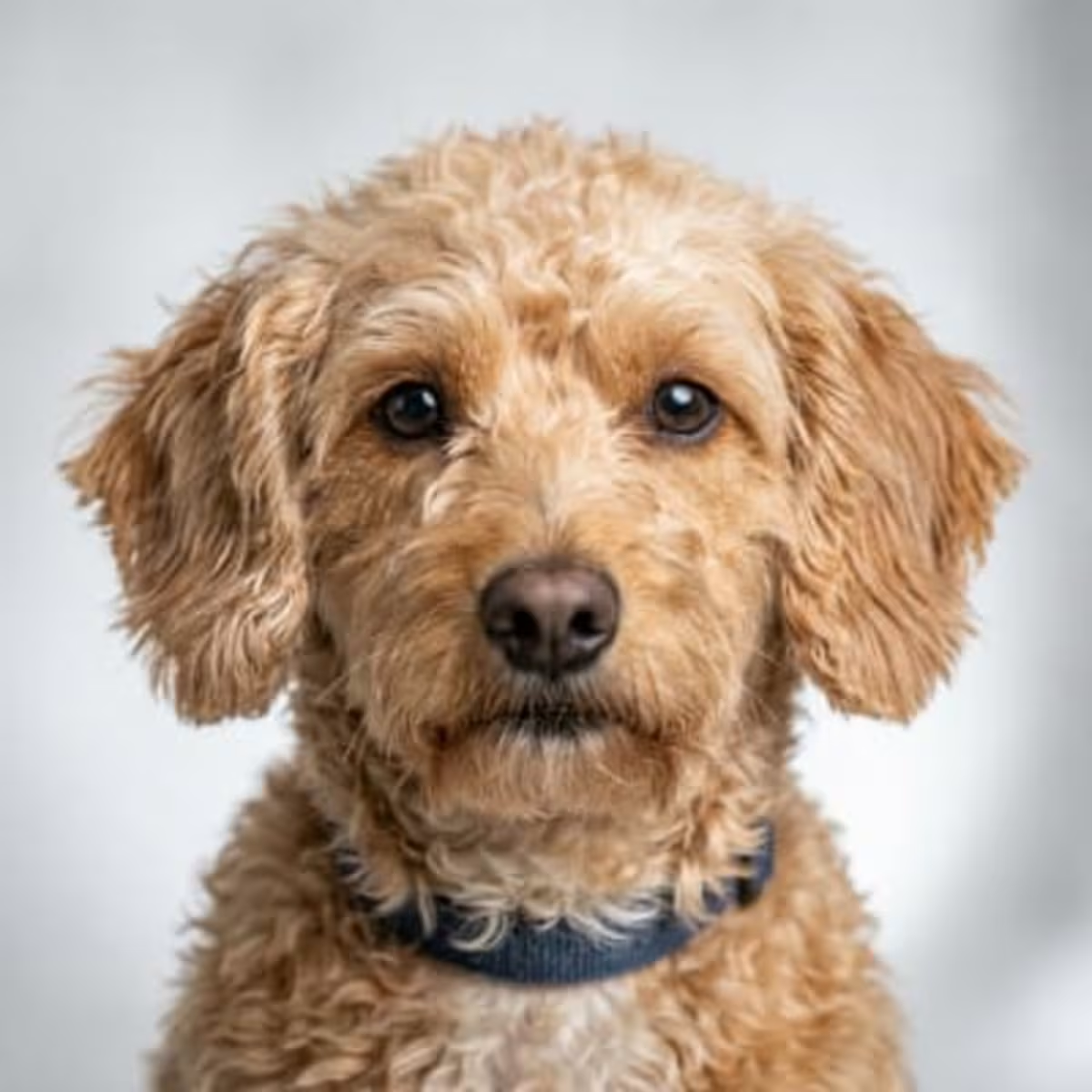
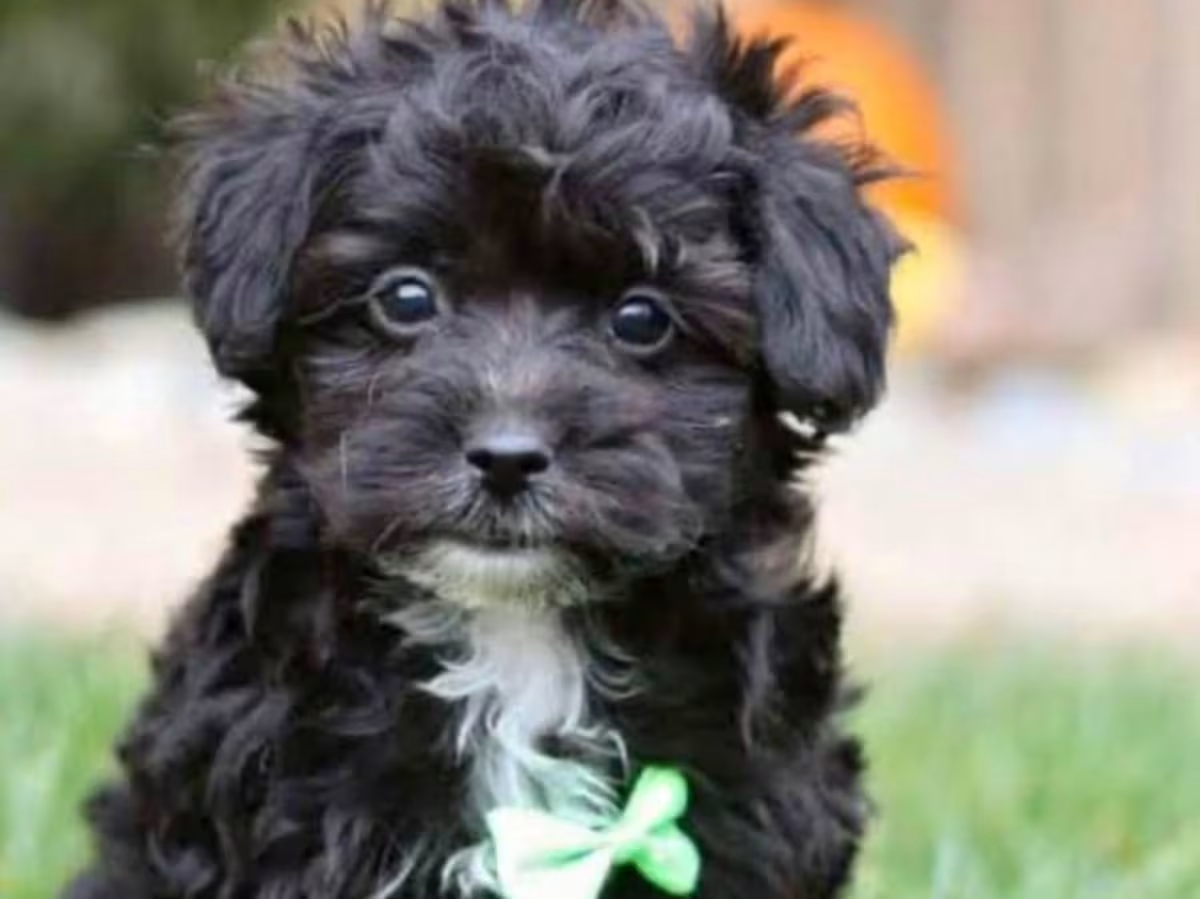
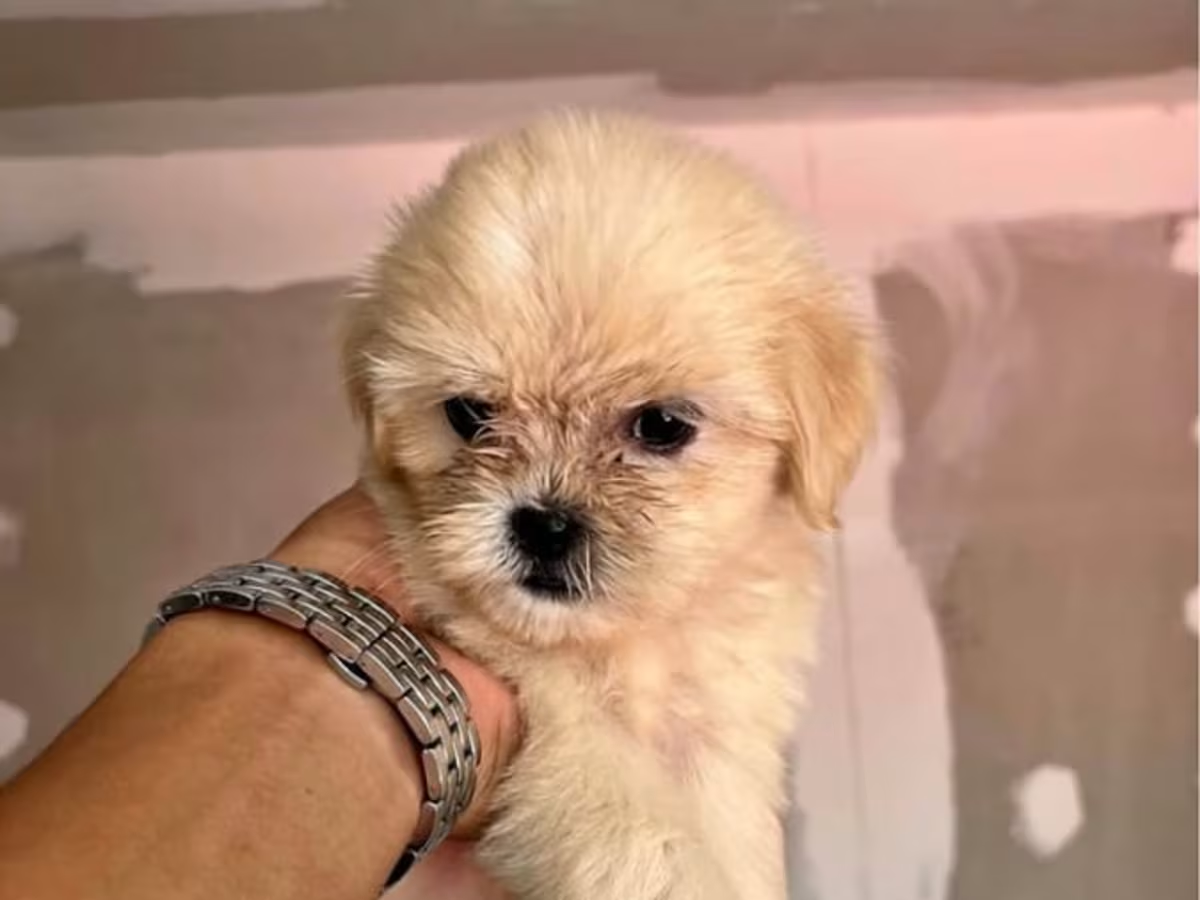
The Doxiepoo crosses the Dachshund — the 17th-century German badger-hunting hound with its iconic elongated body — with the Toy or Miniature Poodle, adding intelligence and a potential low-shedding coat to the stubborn Dachshund character. The cross became popular in North America in the 2000s as part of the small doodle trend, though size can vary widely depending on whether a Toy or Miniature Poodle is used.
The Doxiepoo is a curious, spirited companion with relatively low shedding (10–35/100) and only 20–45 minutes of daily exercise needed — suitable for apartment life despite a bold personality. The Dachshund's stubbornness (55–80/100) and strong scenting instinct are consistent traits that benefit from patient, reward-based training; back health should also be monitored given the Dachshund's spinal vulnerability.
Size varies significantly (5–30 lbs) depending on Dachshund type and Poodle size used. Coat can range from wavy to curly.
Traits
Care
Related Breeds For Sale
Popular on Dog Engine
Other Dogs You Might Like
Doxiepoo Buyer's Guide
Common questions answered before you buy
A Doxiepoo is a cross between a Dachshund (Stubborn · curious · scent-driven) and a Poodle (Toy) (Intelligent · low-shedding · eager to please). The goal of this cross is to combine the best traits of both parents — but it's important to understand that results vary significantly from puppy to puppy, even within the same litter.
No dog is truly hypoallergenic — all dogs produce dander, saliva, and urine proteins that trigger allergies. However, the Doxiepoo is a coin-flip. Size varies significantly (5–30 lbs) depending on Dachshund type and Poodle size used. Coat can range from wavy to curly. Puppies with curlier, Poodle-dominant coats tend to shed less. Puppies with wavy or straight coats may shed noticeably. There is no guarantee until the adult coat comes in around 12–18 months. If you're buying for allergy reasons, request an F1B litter which is more consistently low-shed.
Doxiepoos typically weigh between 5–30 lbs. However, size can vary significantly depending on which parent the puppy takes after and the generation (F1, F1B). A smaller parent — particularly if one parent is a Miniature or Toy variant — will produce smaller offspring. Always ask breeders about the parent sizes, not just the breed average.
With consistent effort, yes. The Doxiepoo has trainability scores ranging from 55–80/100. Some puppies will pick things up quickly; others — especially those inheriting more stubbornness from one parent — will need more patience. Positive reinforcement and short, engaging training sessions work best.
It depends on your priorities. **F1**: 50/50 mix — more variation in coat and size **F1B**: 75% Poodle — more reliably low-shedding but Dachshund stubbornness persists For most buyers, the F1B generation offers the most predictable coat (important for allergy sufferers) while still carrying the hybrid vigour of a cross. F1 is fine if coat variability doesn't concern you. Ask breeders which generation the litter is and review both parent health records.
The Doxiepoo typically lives 12–15 years. Hybrid dogs often benefit from "hybrid vigour" — a tendency for mixed breeds to be healthier than either purebred parent. However, they can still inherit health conditions from either parent line. Ask breeders about health testing on both parents (hips, eyes, heart, depending on the parent breeds), and schedule annual vet check-ups throughout your dog's life.
Yes — the Doxiepoo is generally apartment-adaptable as long as their exercise needs are met. Daily walks and interactive play sessions (around 30 minutes of light-to-moderate exercise daily) are sufficient to keep them calm indoors. Mental stimulation — puzzle toys, training sessions — is equally important for this intelligent cross.