Doberman Pinscher for Sale in the Philippines
1 listing nationwide
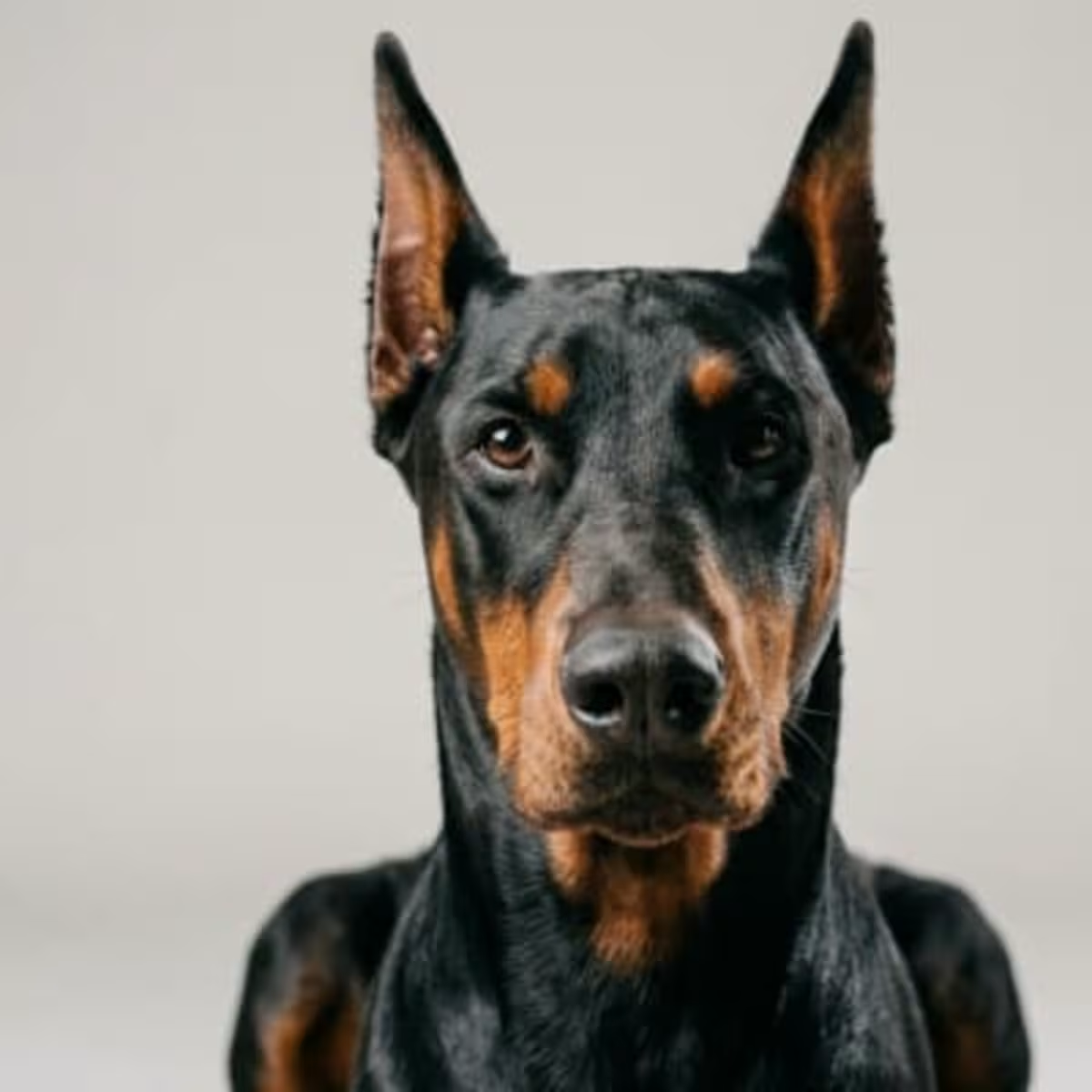
Doberman Pinscher
Large · 60–100 lbs
The Doberman was created in the 1890s by a German tax collector named Louis Dobermann, who wanted a medium-sized guard dog to accompany him on dangerous rounds through rough neighborhoods. He is believed to have crossed several breeds including the German Pinscher, Rottweiler, and Greyhound, though he kept no breeding records — the exact formula remains unknown to this day.
The Doberman Pinscher is one of the most trainable breeds in the world (90/100), combining fierce loyalty, athleticism, and intelligence in a sleek, low-maintenance coat (40/100 shedding). Built for protection, this breed needs consistent training and early socialization — without it, that fearlessness and drive can become problematic; with it, you have an exceptional companion and guardian.
Traits
Care
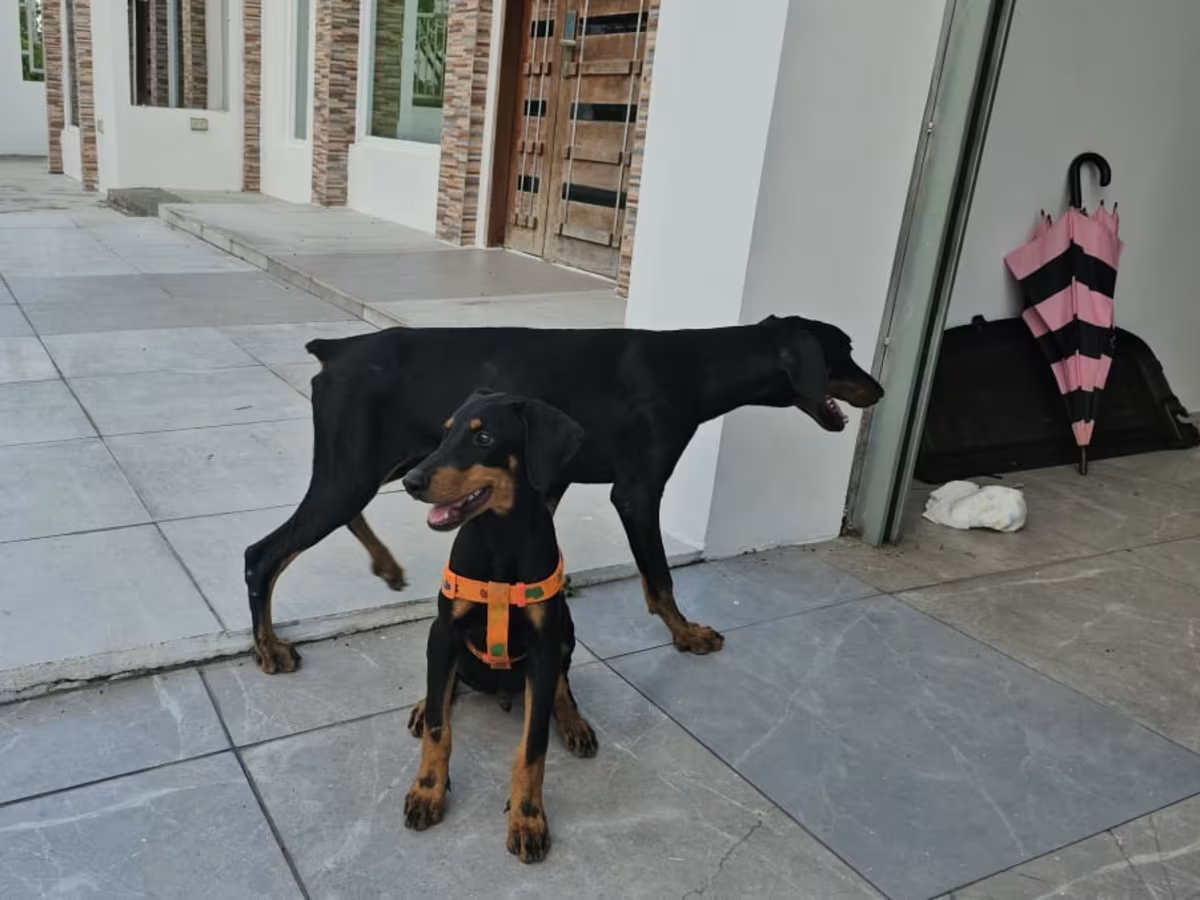
Browse Doberman Pinscher by Location
Popular on Dog Engine

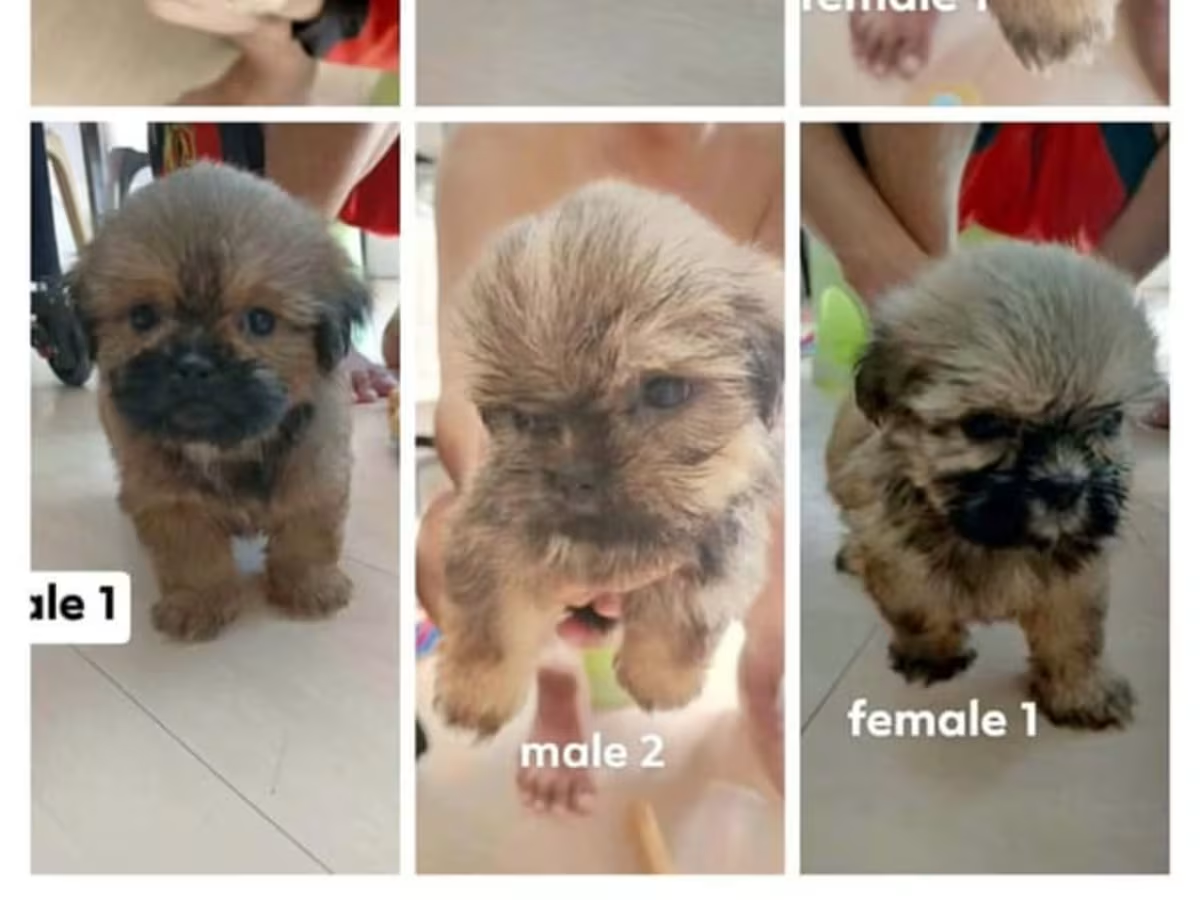


Other Dogs You Might Like



Doberman Pinscher Buyer's Guide
Common questions answered before you buy
Yes — the Doberman Pinscher is one of the better choices for new owners. With a trainability score of 90/100 and a low stubbornness level, they pick up commands quickly, respond well to positive reinforcement, and don't tend to push boundaries. That said, you still need consistent daily training from day one — no dog is hands-off.
The Doberman Pinscher needs around 60 minutes of active exercise daily. This means actual exercise — not just a short bathroom walk. A mix of leashed walks, off-leash time, and play sessions keeps them mentally and physically balanced. Their energy level of 85/100 means they won't tire from light activity alone.
Lightly. The Doberman Pinscher is a relatively low shedder by dog standards, though no dog is truly zero-shed. Occasional brushing keeps the coat neat and minimizes stray hairs. Grooming effort for this breed is relatively low. The Doberman Pinscher coat is easy to maintain with basic weekly brushing and an occasional bath.
Generally yes. The Doberman Pinscher scores 65/100 on friendliness — warm with people they know, though they may take time to warm up to strangers. They are specifically noted as good with children and families. Early socialisation and proper introductions are key.
The most frequently reported health concerns in the Doberman Pinscher include Dilated cardiomyopathy, Von Willebrand disease and Hip dysplasia. Before buying, ask breeders for health clearances on the parents — reputable breeders will have OFA (hips/elbows) or equivalent certifications on file. Budget for annual vet visits and consider pet health insurance from puppyhood.
Not ideally. The Doberman Pinscher is a high-energy breed (85/100) that needs around 60 minutes of active exercise daily and room to move. Without outdoor space to release energy, they become restless, destructive, or develop anxiety. A house with a yard — or a very committed owner who can provide multiple outdoor sessions daily — is a much better fit.
No — but they require proper socialisation and confident handling. The Doberman Pinscher has traits that, without early and consistent training, can lead to dominant or reactive behaviour. A well-socialised, properly trained Doberman Pinscher raised with clear boundaries is a loyal, stable companion. The problem usually isn't the dog — it's inconsistent handling.