
Pomsky for Sale in the Philippines
0 listings nationwide
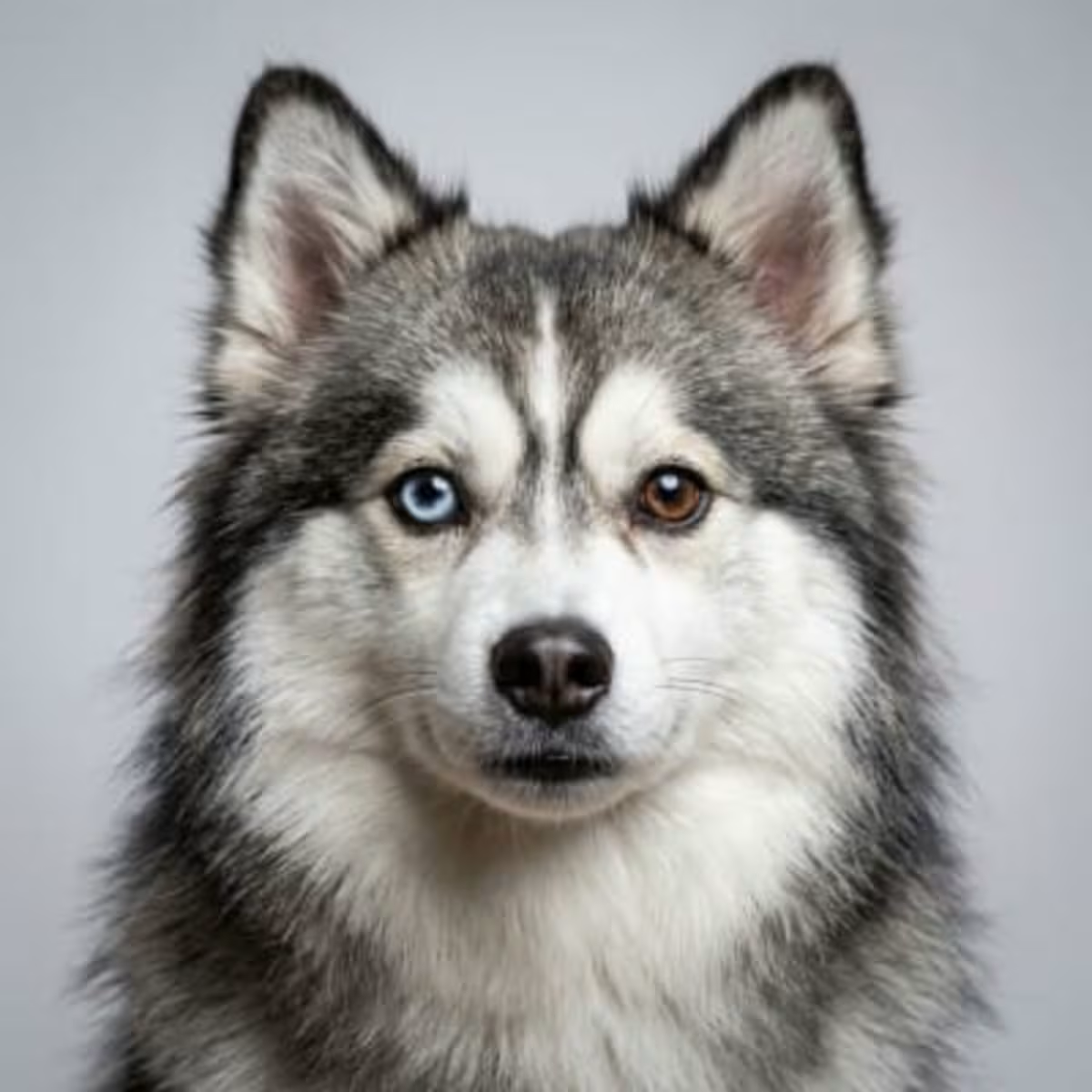
Pomsky
Small–Medium · 15–30 lbs
Pomeranian
Bold · vocal · fluffy
Siberian Husky
High energy · stubborn · striking looks
The Pomsky is a relatively new designer breed that first gained mainstream attention around 2011–2012 when photos of Husky-Pomeranian mixes went viral online, sparking enormous demand for a "miniature Husky." Because the size difference between parent breeds requires artificial insemination, early Pomsky breeding was expensive and limited — but the breed has since developed a dedicated community of breeders working toward more consistent size and temperament outcomes.
The Pomsky (Pomeranian × Siberian Husky) is one of the most visually striking mixed breeds available — with the Husky’s looks potentially miniaturized — but with significant stubbornness (58–82/100) and heavy shedding (60–88/100) from the Husky side. This breed requires experienced owners who understand sled dog mentality and can provide active, structured daily life.
Pomskies vary significantly in size and traits — even within the same litter. Some are more Husky-like (higher energy, more stubborn) while others lean Pom. Always meet the parents.
Traits
Care
Related Breeds For Sale


Popular on Dog Engine



Other Dogs You Might Like




Pomsky Buyer's Guide
Common questions answered before you buy
A Pomsky is a cross between a Pomeranian (Bold · vocal · fluffy) and a Siberian Husky (High energy · stubborn · striking looks). The goal of this cross is to combine the best traits of both parents — but it's important to understand that results vary significantly from puppy to puppy, even within the same litter.
No dog is truly hypoallergenic — all dogs produce dander, saliva, and urine proteins that trigger allergies. However, the Pomsky is a coin-flip. Pomskies vary significantly in size and traits — even within the same litter. Some are more Husky-like (higher energy, more stubborn) while others lean Pom. Always meet the parents. Puppies with curlier, Poodle-dominant coats tend to shed less. Puppies with wavy or straight coats may shed noticeably. There is no guarantee until the adult coat comes in around 12–18 months. If you're buying for allergy reasons, request an F1B litter which is more consistently low-shed.
Pomskies typically weigh between 15–30 lbs. However, size can vary significantly depending on which parent the puppy takes after and the generation (F1 — 50/50 mix, F1B — 75% Pomeranian, F2 — two F1 parents). A smaller parent — particularly if one parent is a Miniature or Toy variant — will produce smaller offspring. Always ask breeders about the parent sizes, not just the breed average.
Mixed results. The Pomsky trainability range of 42–70/100 means some puppies are highly trainable while others are considerably more stubborn. Don't assume a mixed breed is automatically easier to train than a purebred — it depends heavily on which parent traits dominate.
It depends on your priorities. **F1**: Most variable in size and traits. Husky energy and stubbornness common. **F1B**: Smaller and more Pom-like. Slightly easier to manage. **F2**: More consistent traits. Size and coat still variable. For most buyers, the F1B generation offers the most predictable coat (important for allergy sufferers) while still carrying the hybrid vigour of a cross. F1 is fine if coat variability doesn't concern you. Ask breeders which generation the litter is and review both parent health records.
The Pomsky typically lives 12–15 years. Hybrid dogs often benefit from "hybrid vigour" — a tendency for mixed breeds to be healthier than either purebred parent. However, they can still inherit health conditions from either parent line. Ask breeders about health testing on both parents (hips, eyes, heart, depending on the parent breeds), and schedule annual vet check-ups throughout your dog's life.
Not ideally. The Pomsky has an energy level averaging 78/100 and needs around 60 minutes of active exercise daily. Without adequate space and exercise, they can become destructive or anxious in confined spaces. A home with a yard, or an owner committed to multiple daily outdoor sessions, is a better fit.