Schnoodle for Sale in the Philippines
0 listings nationwide

Schnoodle
Small–Large · 6–75 lbs
Schnauzer (Mini/Standard/Giant)
Spirited · loyal · low-shed
Poodle
Intelligent · low-shed · athletic
The Schnoodle was developed in the United States during the 1980s and 1990s as breeders began combining Schnauzers — a German working breed renowned for its intelligence and low-shedding wiry coat — with Poodles, another highly intelligent, low-shedding breed. The result is one of the most reliably low-shedding of all doodle mixes, since both parent breeds independently contribute non-shedding coat genetics.
The Schnoodle (Schnauzer × Poodle) is one of the most reliably low-shedding doodle mixes, with both parents contributing low-shed coats — resulting in a consistent 8–22/100 shedding range. Intelligent (78–93/100 trainability), loyal, and adaptable for apartments, this breed’s main trade-offs are significant grooming costs and a Schnauzer-inherited vocal streak (52–72/100 barking).
Traits
Care
Related Breeds For Sale
Popular on Dog Engine
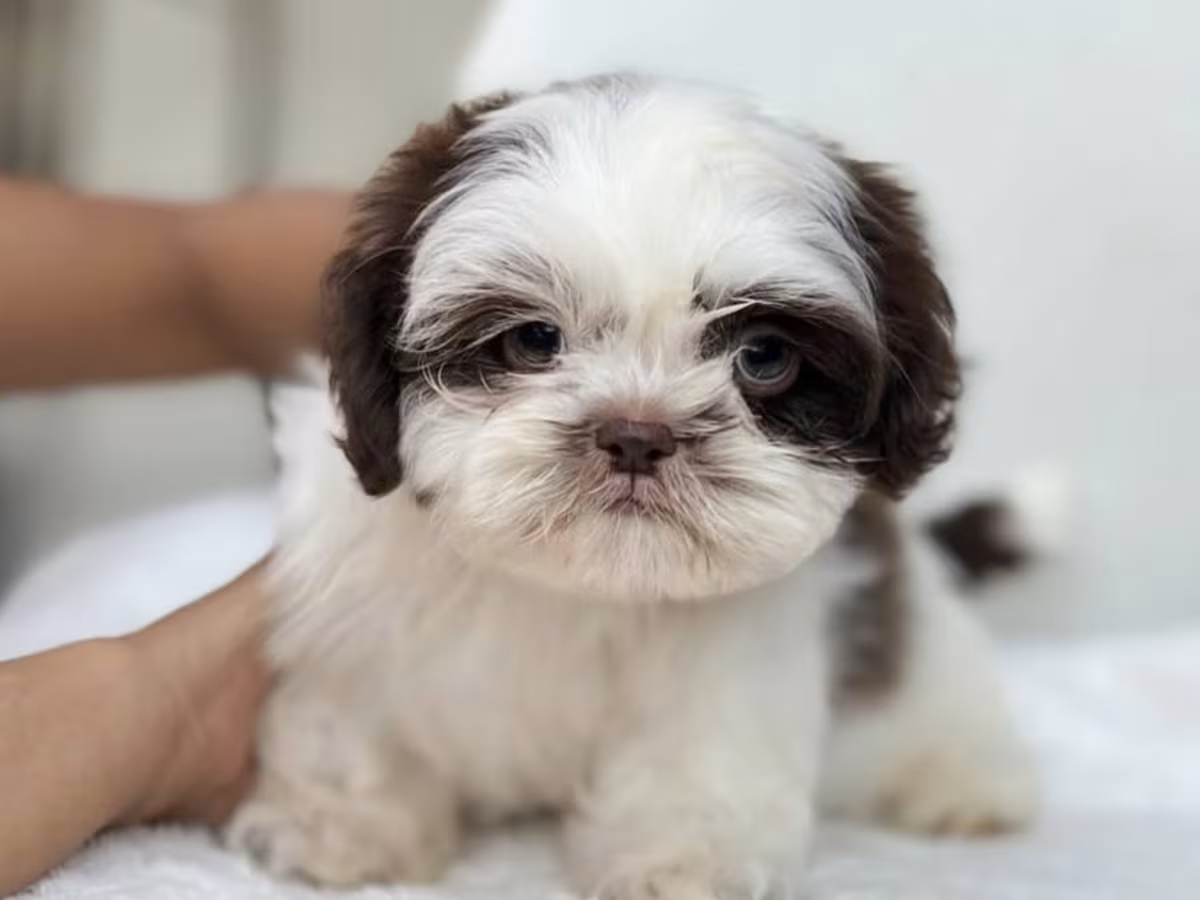
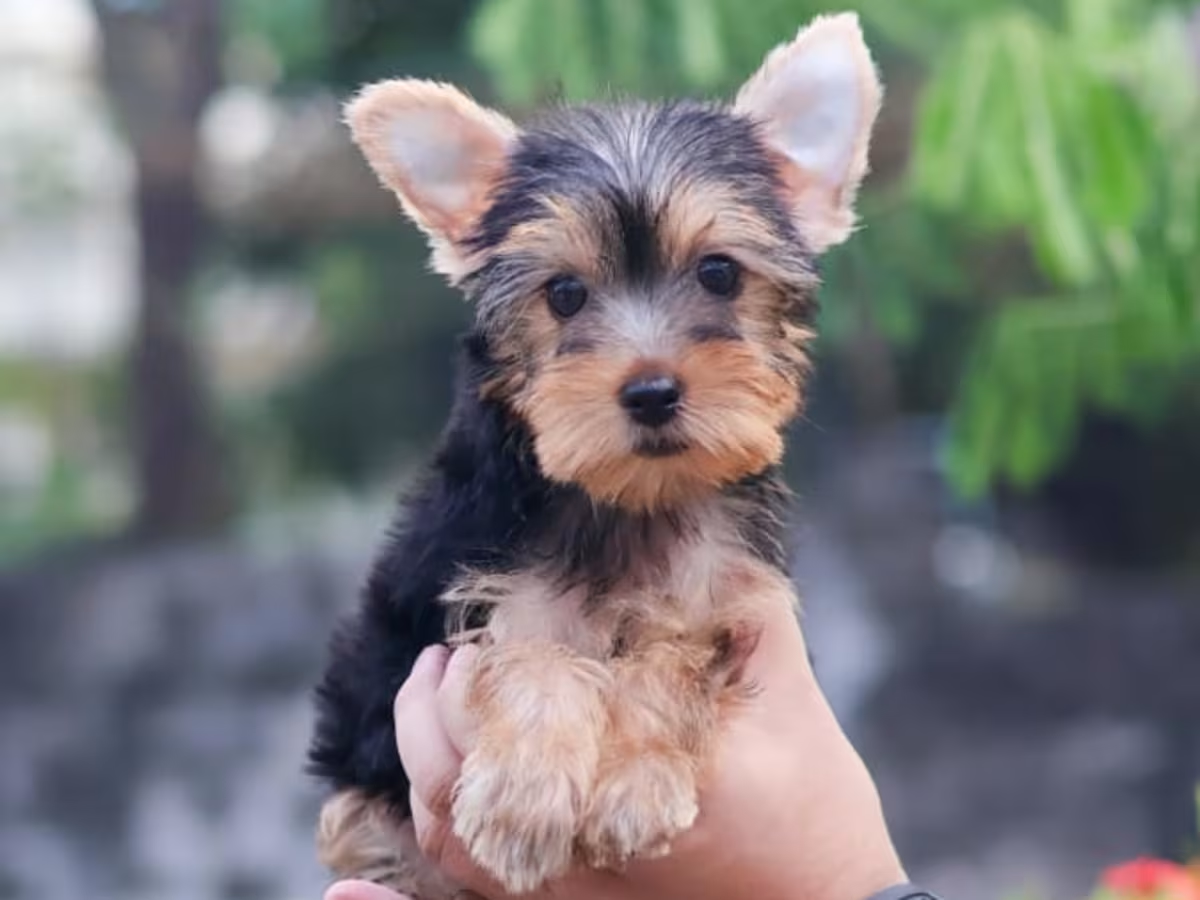
Other Dogs You Might Like
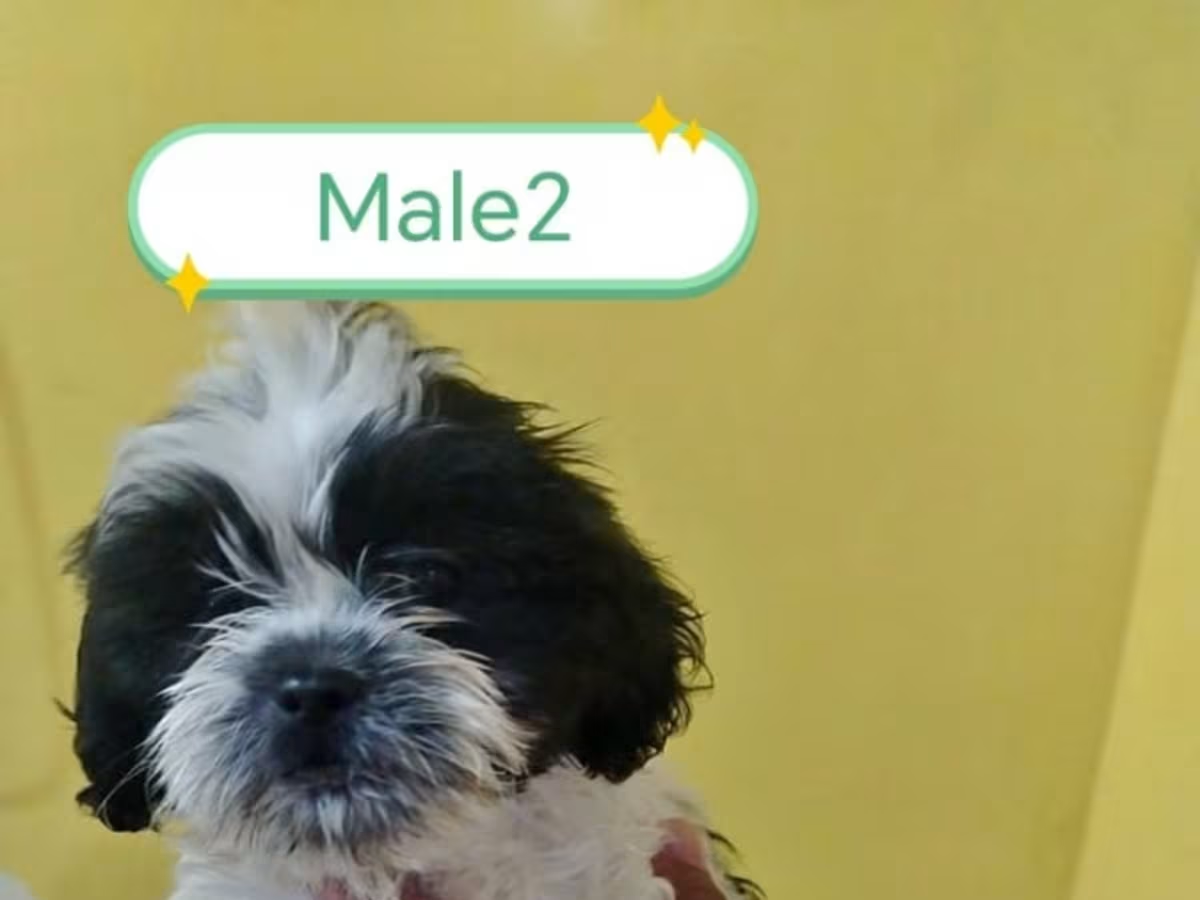

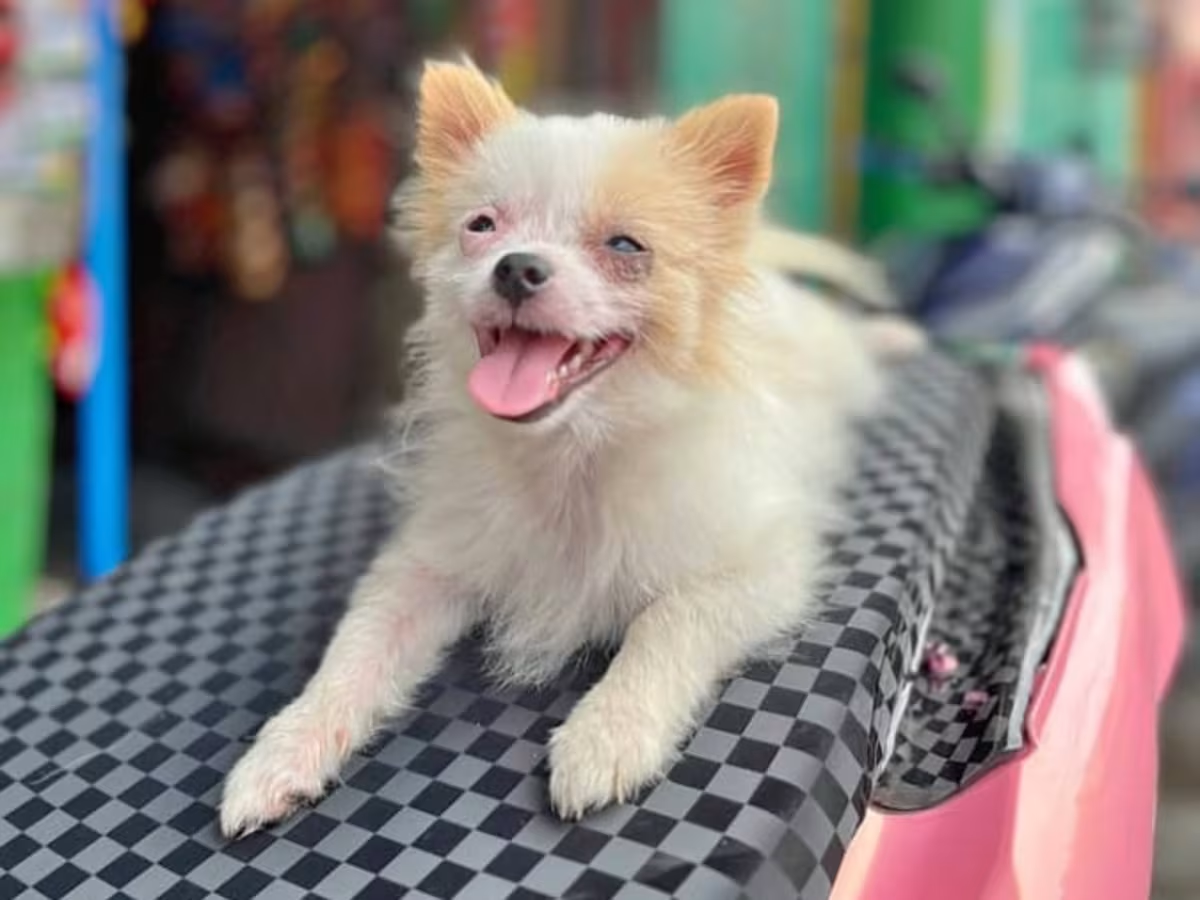
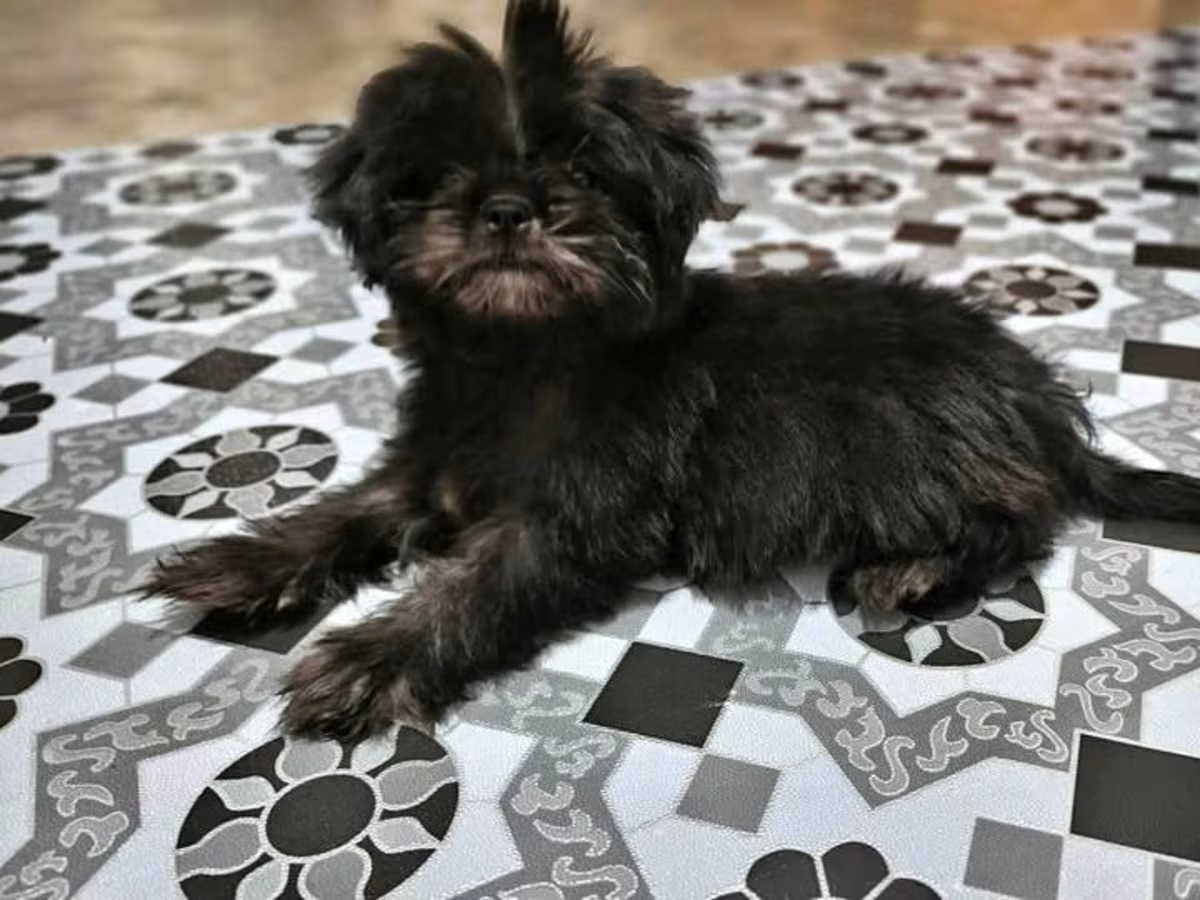
Schnoodle Buyer's Guide
Common questions answered before you buy
A Schnoodle is a cross between a Schnauzer (Mini/Standard/Giant) (Spirited · loyal · low-shed) and a Poodle (Intelligent · low-shed · athletic). The goal of this cross is to combine the best traits of both parents — but it's important to understand that results vary significantly from puppy to puppy, even within the same litter.
No dog is truly hypoallergenic — all dogs produce dander, saliva, and urine proteins that trigger allergies. However, the Schnoodle is a low-shedding breed that produces less loose hair and dander than most dogs. People with mild dog allergies often tolerate them well. If allergies are a concern, spend time with the specific puppy before committing — individual reactions vary.
Schnoodles typically weigh between 6–75 lbs. However, size can vary significantly depending on which parent the puppy takes after and the generation (F1 — 50/50 mix, F1B — 75% Poodle). A smaller parent — particularly if one parent is a Miniature or Toy variant — will produce smaller offspring. Always ask breeders about the parent sizes, not just the breed average.
Generally yes — the Schnoodle benefits from the trainability of both parent breeds. With trainability ranging from 78–93/100 (average around 85/100), they respond quickly to positive reinforcement and are eager to please. Early puppy classes set a strong foundation.
It depends on your priorities. **F1**: Very low-shed from both parents. Great hybrid vigor. **F1B**: Most consistently low-shed. Good for allergy sufferers. For most buyers, the F1B generation offers the most predictable coat (important for allergy sufferers) while still carrying the hybrid vigour of a cross. F1 is fine if coat variability doesn't concern you. Ask breeders which generation the litter is and review both parent health records.
The Schnoodle typically lives 12–16 years. Hybrid dogs often benefit from "hybrid vigour" — a tendency for mixed breeds to be healthier than either purebred parent. However, they can still inherit health conditions from either parent line. Ask breeders about health testing on both parents (hips, eyes, heart, depending on the parent breeds), and schedule annual vet check-ups throughout your dog's life.
Yes — the Schnoodle is generally apartment-adaptable as long as their exercise needs are met. Daily walks and interactive play sessions (about 45 minutes of moderate exercise daily) are sufficient to keep them calm indoors. Mental stimulation — puzzle toys, training sessions — is equally important for this intelligent cross.